
Top 5 Mistakes to Avoid in Web Design
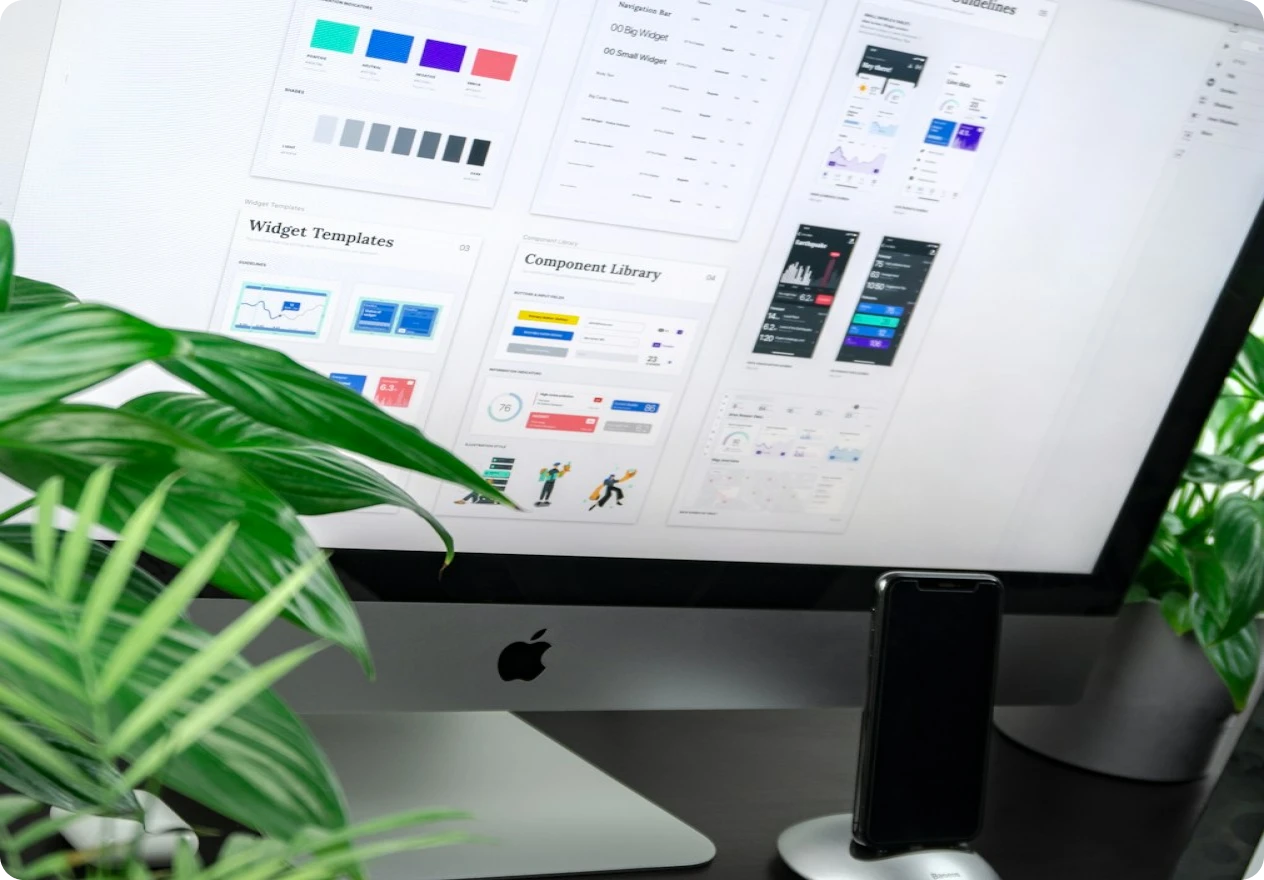
From poor hierarchy to slow loading — here’s what to fix to keep users engaged.
Introduction
The web design world is rapidly changing as we approach 2025. Websites are evolving into dynamic platforms that prioritize user engagement and conversion, incorporating everything from AI personalization to 3D experiences. This article explores the major trends influencing the future of web design and how to leverage them.
1. AI-Powered Design Tools
Artificial Intelligence is transforming website design and development. Designers can now create visually appealing interfaces quickly using AI website builders and intelligent layout tools. AI-driven personalization enhances user experiences by dynamically adapting content, ensuring a customized journey for each visitor. Key takeaway: In 2025, AI is crucial for creativity, efficiency, and staying competitive.
2. Minimalist & Purposeful Design
The minimalist design philosophy remains essential. User experiences are enhanced by clean layouts, ample whitespace, and focused typography, which promote clarity and drive conversions. Designers prioritize simplicity to ensure the message is clear. Tip: Use high contrast, soft colors, and bold typography to create visually striking minimalist designs.
3. Immersive 3D & Motion Experiences
In 2025, 3D elements, micro-interactions, and animations are becoming increasingly common. Motion enhances digital experiences, from interactive product demonstrations to scroll-triggered animations. Pro Insight: Use subtle animations to improve storytelling while maintaining optimized loading speeds and performance.
4. Dark Mode and Dynamic Themes
Websites are now designed to adapt to individual user preferences, thanks to the growth of user customization. Options like dynamic themes, dark mode, and color-switch improve comfort and accessibility, resulting in a more inclusive UX. Why it matters: Providing theme options fosters personalization and trust, which boosts engagement.
5.Human-Centered & Accessible Design
Accessibility is now a key design consideration. Designers are creating inclusive experiences for all users by focusing on text readability, color contrast, and easy navigation. In 2025, designing with empathy will be the norm, not just a trend. Takeaway: Designing for everyone improves usability for all users.
6. Modular Design Systems
Design systems and component-based design, like Figma’s tokens and variables, enable teams to ensure scalability and consistency. As teams develop brands across different platforms, this trend will grow. Benefit: Enhanced collaboration, faster development, and a stronger brand identity.
7. Sustainability & Performance
Sustainable design is here to stay. Websites can improve SEO and lower their carbon footprint by being optimized for speed and energy efficiency. Sustainable web design is achieved through lightweight images, minimal animations, and cleaner code.
Conclusion
Web designers can anticipate an exciting year in 2025, marked by immersive experiences, inclusive design, and smart automation. Concentrate on producing accessible, meaningful, and high-performing designs that combine technology and creativity to stay ahead. The future is for designers who create with intent.